


If you have ever typed “page size checker spellmistake” into a search bar, you are not alone. Thousands of people search for this exact phrase every month, usually because they are looking for a simple tool called a page size checker but end up typing the request in a slightly unusual way. This article breaks down what people actually mean when they search for a page size checker spellmistake, why the phrase exists in the first place, and how you can find and use the right tool without any confusion.
What Is a Page Size Checker?
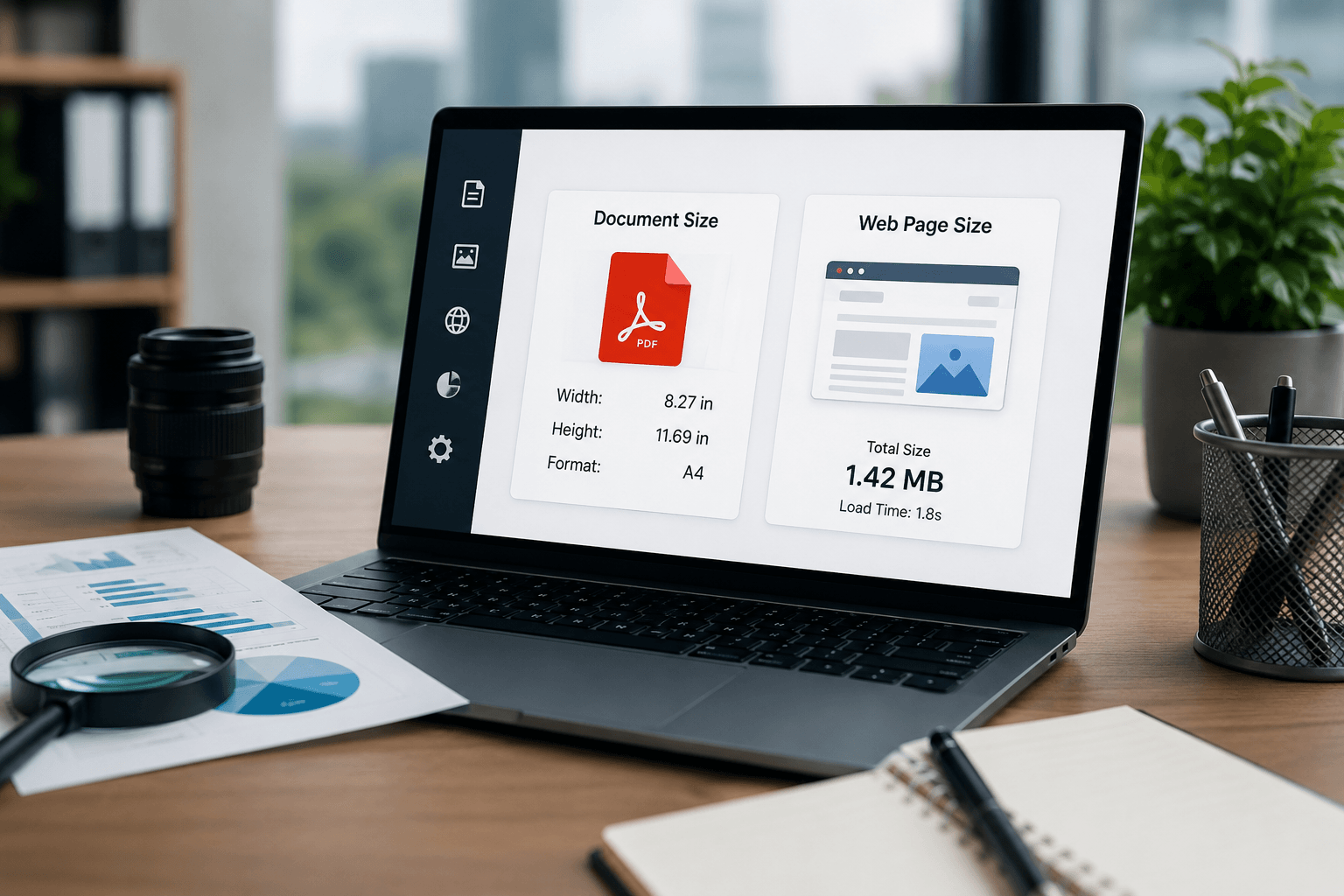
A page size checker is a tool, either online or built into software, that tells you the dimensions or file size of a document, image, or webpage. Depending on the context, “page size” can mean two very different things. It might refer to the physical dimensions of a printed page, such as A4, Letter, or Legal size. Or it could refer to the digital weight of a page, meaning how many kilobytes or megabytes a webpage takes up when it loads in a browser.
Because the term is used in both printing and web design communities, people often search using odd phrasing, which is exactly how the search query page size checker spellmistake became common. Search engines have learned to recognize this pattern and still return the correct results, but understanding the term helps you search smarter and pick the right tool for your actual need.
Why the Term Page Size Checker Spellmistake Keeps Appearing in Search Results
Typos happen for a reason. Sometimes people are typing quickly on a mobile keyboard and autocorrect changes a word unexpectedly. Other times, someone genuinely is not sure how the phrase should be written, so they type it the way it sounds. The search query page size checker spellmistake is a great example of this. It usually starts as someone trying to search for “page size checker” but mistakenly adding an extra word, merging two words together, or misspelling part of the phrase.
Search engines are built to handle this kind of variation. They recognize that a person searching for a page size checker spellmistake is really looking for tools that measure document or webpage dimensions, not literally a tool that checks for spelling mistakes. Understanding this helps clear up any confusion before you even start searching for the right solution.
How a Page Size Checker Works
Most page size checker tools work in a very straightforward way. You either upload a file or paste a website URL, and the tool analyzes it to give you accurate measurements. For documents like PDFs, Word files, or images, the tool reads the file’s metadata to determine its physical dimensions, usually shown in inches, centimeters, or standard paper sizes like A4 or Letter.
For websites, the process is slightly different. A page size checker will load the webpage in the background and calculate the total size of all its resources, including HTML, CSS, JavaScript, images, and fonts. This total size is usually shown in kilobytes or megabytes and gives website owners a clear picture of how heavy their page is, which directly affects loading speed.
This dual functionality is part of why so many people end up typing page size checker spellmistake into search engines. They are often unsure which type of page size they need to check, so their search phrasing becomes a little jumbled as they try to describe what they want.
Common Uses of a Page Size Checker
People use page size checking tools for many different reasons, and the use case usually determines which type of tool is needed. Students and professionals often need to check document dimensions before printing, especially when submitting assignments, resumes, or official paperwork that must follow specific formatting rules.
Designers and marketers frequently check image and document sizes to make sure their materials will print correctly without any cropping or scaling issues. Meanwhile, web developers and SEO specialists rely on page size checkers to monitor website performance, since heavier pages tend to load more slowly and can hurt user experience as well as search engine rankings.
Because these use cases overlap in casual conversation, it is common for someone to describe their need loosely, which again leads to search phrases like page size checker spellmistake instead of more specific terms. This is a completely normal part of how people search for tools online, especially when they are not familiar with technical terminology.
Page Size Checker for Print vs Digital Documents
When it comes to printed materials, a page size checker typically focuses on physical measurements. This includes standard sizes such as A4, A5, Letter, Legal, and custom dimensions used for posters, brochures, or business cards. Getting these measurements right is essential, especially for professional printing, where even small size discrepancies can lead to wasted paper, incorrect layouts, or rejected print jobs.
Digital documents, on the other hand, are usually checked for both dimensions and file size. A PDF might need to fit a certain page size for formatting purposes, but it may also need to stay under a certain file size limit for email attachments or online submissions. This is another area where the page size checker spellmistake search term shows up, since people often need both pieces of information at once but are unsure how to phrase their search accurately.
Page Size Checker for Websites and Web Performance
Website page size is a completely different concept, but it is just as important. A heavy webpage with large images, unoptimized scripts, or excessive plugins can slow down loading times significantly. Slow websites tend to lose visitors quickly, and search engines also factor page speed into their ranking algorithms.
Using a page size checker for your website allows you to identify which elements are adding unnecessary weight. Large, uncompressed images are often the biggest culprits, followed by bloated code or too many third-party scripts. Once you know your page size, you can take targeted steps to optimize it, such as compressing images, minifying code, or removing unused plugins.
This is one of the most practical applications of a page size checker, and it is also one of the main reasons people continue to search using variations like page size checker spellmistake, especially when they are new to website management and are still learning the correct terminology.
How to Choose the Right Page Size Checker Tool
With so many tools available, choosing the right page size checker depends largely on what you are trying to measure. If your goal is checking document dimensions before printing, look for a tool that clearly displays standard paper sizes and allows you to compare your file against them. Accuracy and simplicity matter more than flashy features in this case.
If your focus is on website performance, choose a tool that breaks down page size by individual elements like images, scripts, and stylesheets. This kind of detailed reporting makes it much easier to identify exactly where the extra weight is coming from, rather than just seeing a single total number without context.
Regardless of which type of tool you choose, reliability is key. A good page size checker should give consistent, accurate results every time, without requiring complicated technical knowledge to understand the output. If you regularly publish online content, understanding the right tools can save both time and effort. Our detailed guide on UploadArticle.com tools explains several useful publishing and optimization resources that work well alongside a page size checker.
Avoiding Confusion Between Page Size and File Size
One of the most common misunderstandings people run into is confusing page size with file size. Page size generally refers to physical or visual dimensions, while file size refers to how much storage space a file takes up on a device or server. A document can have a small page size but still have a large file size if it contains high-resolution images or complex formatting.
Understanding this distinction is important because it directly affects which tool you should use. Someone searching for page size checker spellmistake might actually need a file size checker instead, depending on their specific goal. Taking a moment to clarify what you are really trying to measure will save time and lead to more accurate results.
Tips to Get Accurate Results from a Page Size Checker
To get the most accurate results, always use the original, unedited version of your file or webpage when running it through a checker tool. Editing a document after checking its size can change the results, especially if you add new images, text, or formatting elements.
For websites, it helps to check page size during a time of normal traffic rather than during unusual server conditions, since this can sometimes affect loading behavior temporarily. Running multiple checks over time also gives you a better overall picture of your page’s performance rather than relying on a single result.
Being specific with your search terms can also improve your results. For bloggers, SEO professionals, and website owners, combining a page size checker with other content optimization tools leads to better performance. You can also explore this complete UploadArticle.com Tools Guide for additional publishing and SEO resources.
Final Thoughts
At the end of the day, a page size checker spellmistake is nothing to worry about. It is just a natural part of how people search online when they are not fully sure of the exact terminology. Whether you need to check the physical dimensions of a printed document or the digital weight of a webpage, the right tool is only a few clicks away.
The key takeaway here is to understand what you actually need before you start searching. Are you checking a document for printing purposes, or are you trying to improve your website’s loading speed? Once that is clear, choosing a reliable page size checker becomes a lot easier, and you will get accurate, useful results every time.
So the next time you catch yourself typing something like page size checker spellmistake into a search bar, do not worry about the phrasing. If you want to learn more about internationally recognized paper dimensions such as A4, A5, Letter, and Legal, you can explore this detailed reference on standard paper sizes.
Frequently Asked Questions
What does page size checker spellmistake actually mean?
It is simply a common misspelled or oddly phrased search query that people use when looking for a page size checker tool. It is not a separate tool or feature on its own.
Is a page size checker the same as a file size checker?
No. A page size checker usually measures physical or visual dimensions, while a file size checker measures how much storage space a file uses. They can overlap but serve different purposes.
Can I check a website’s page size for free?
Yes, many free online tools allow you to check a website’s total page size, including breakdowns of images, scripts, and other resources.
Why does my page size checker show different results each time?
This can happen due to caching, temporary server conditions, or recent changes to the file or webpage being checked. Running multiple checks helps confirm accuracy.
Do I need technical skills to use a page size checker?
Not usually. Most tools are designed to be simple, requiring only a file upload or a website URL to generate clear, easy-to-understand results.
Why do so many people search using the term page size checker spellmistake instead of the correct phrase?
It usually comes down to unfamiliarity with exact terminology or quick, informal typing habits, which search engines are well equipped to interpret correctly regardless of the phrasing.
